- Last Updated: October 6, 2026
Earlier this year I was sitting in a tiny café in Porto, halfway through a client call, when my friend Mara sent me a link. The headline said digital nomad is dead, and she added three laughing emojis. I muted my mic, read the first paragraph, and felt strangely sick.
Table of Contents
ToggleThat lifestyle had become my whole identity. For almost four years I had lived out of one backpack, answered emails from balconies and bus stations, and told everyone back home that this was my forever plan. Seeing it declared dead in a headline felt personal.
Digital Nomad Is Dead? The Message That Made Me Close My Laptop
I closed the laptop that night and walked along the river for an hour. Was Mara right? Had I missed the memo while chasing the next cheap flight and the next strong Wi-Fi password?
Here is what I figured out over the following months. The headline is dramatic, but it is also half true, because something really did die. And something better has been growing in its place.
If you landed here after typing a worried question into a search bar, you are not alone. Most articles on this topic are either doom-heavy or sugarcoated. I wanted to write the honest version I wish I had found that night.
In this post I will walk you through what ended, what replaced it, and how I rebuilt my own setup around the new reality. If you have ever wondered whether this life is still worth chasing in 2026, stay with me.
Is Digital Nomad Dead? Not Exactly, But Something Definitely Died
Let me start with an honest confession. The version of this life that sold millions of photos is gone, and I do not miss it. I mean the laptop on a hammock, the coconut in hand, and the caption that says “working four hours a week.”
I remember my first month in Chiang Mai. I paid for a coworking membership I barely used, because I spent half my days chasing a stable connection and the other half feeling guilty about not working. Nobody posts that part on social media.
The first cracks showed up quietly. Friends started complaining about slow Wi-Fi in places that used to be famous for it, and hostel dorms felt more like waiting rooms than communities. Nobody said it out loud, but the mood had changed.
Then reality showed up with invoices. Flights got more expensive, rents in popular hubs climbed fast, and the idea of a cheap paradise quietly slipped away. Locals started asking a fair question about why thousands of remote workers were pushing housing beyond what they could afford.
That is the heart of the death of digital nomad culture as we knew it. Once a lifestyle goes mainstream, the loopholes close. Tourist visa rules tightened, tax offices started asking uncomfortable questions, and landlords began pricing for laptop workers instead of backpackers.
I learned about this shift the awkward way. During a visa renewal in Southeast Asia, an officer flipped through my passport, studied my stamps, and asked what exactly I did for a living. I answered “freelance writer” and then spent forty minutes proving it with old invoices on my phone.
Burnout did its share of damage too. My friend Daniel visited fourteen countries in eleven months, then cancelled his remaining flights and took an office job back home. He told me, “I wasn’t living anywhere. I was just arriving.”
So when someone asks me whether the lifestyle is over, I give a split answer. The restless, visa-hopping, cheapest-hostel-wins version is fading fast. The core idea of working from wherever life makes sense is stronger than ever.
Social media made the problem worse. In a Bali coworking space I once met a guy who called himself a full-time nomad, yet most of his income came from posting about being one. Six months later his account went quiet, and he was back in his hometown with a regular job.
Looking back, those “digital nomad is dead” headlines were a symptom, not the disease. The real disease was a fantasy that sold freedom without mentioning taxes, visas, loneliness, or Monday morning deadlines. When the fantasy cracked, people assumed the whole lifestyle cracked with it.
Even the label has changed. Saying “digital nomad” at a rental viewing now earns you a polite smile and a higher deposit. Many of us quietly dropped the word and just started saying we work remotely.
Digital Nomad Trends in 2026: What Changed While We Were Packing
I noticed the shift first in Porto. The people around me were not passing through anymore. They had gym memberships, favorite bakeries, and neighbors who knew their names.
Digital nomad trends had quietly flipped from speed to stability. Here are the 7 changes I see everywhere I go.
Longer stays beat faster hops
Most remote workers I know now stay two to six months in one place. Fewer flights mean lower costs, better routines, and real friendships.
Mid-term rentals replaced hostels
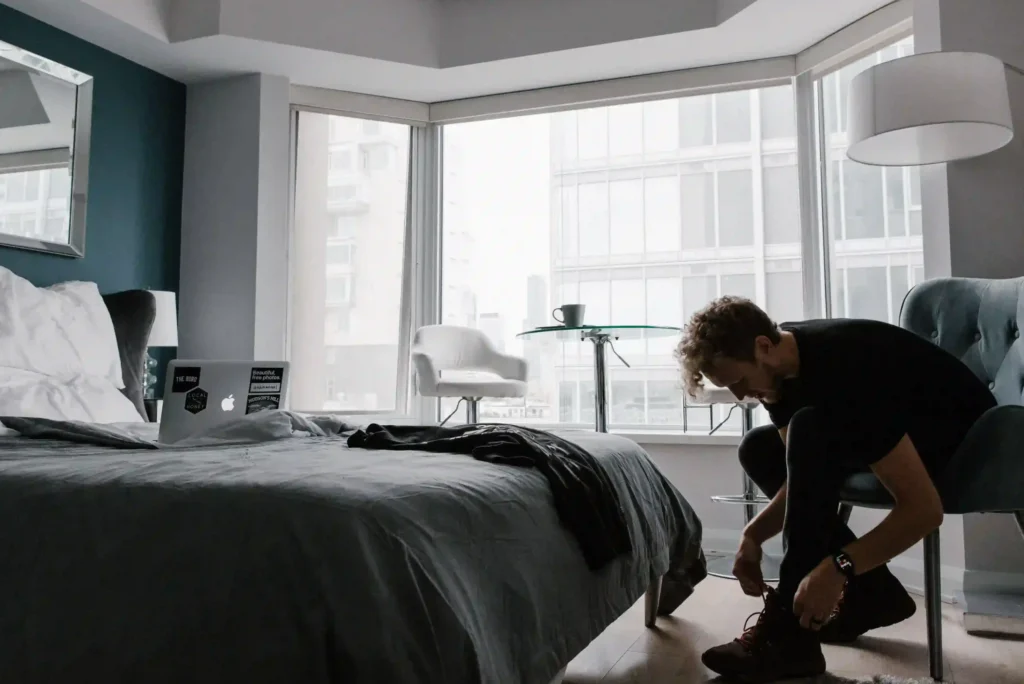
Furnished apartments for one to three months are now easy to find, usually with monthly discounts and reliable internet. Landlords like predictable guests, and we like not repacking our whole life every week.
Visas replaced visa runs
A growing list of countries now offers a digital nomad visa or a long-stay permit for remote workers. I used to dread border desks, but having paperwork that says you are welcome here changes how you sleep at night.
Employers got serious about remote work
Companies stopped treating it as a perk and started building proper hybrid and async systems. The catch is that hiring got more competitive, and the easy freelance gigs of 2020 are much harder to find.
Async work changed the clock
Teams spread across continents got good at shared documents, recorded videos, and clean handovers. That means I rarely need to be awake at 3 a.m. for a meeting anymore, and better sleep alone made the new setup worth it.
Wellbeing moved up the list
People now pick cities for walkable streets, decent gyms, and quiet bedrooms, not only for cheap beer. After years of airports, a good night of sleep feels like luxury.
Community became the product
Co-living houses, remote worker villages, and coworking spaces now compete on friendships instead of just fast internet. I have met more future collaborators at one Sunday dinner than in a year of random hostel chats.
None of these changes are dramatic on their own. Together, though, they rewrote the daily experience of working abroad. The adventure did not vanish; it just became something you can sustain.
Put together, these shifts tell one story. People still want freedom, but now they want it with a safety net. That is a growth story, not a funeral, which is why I think the loudest death of digital nomads headlines miss the point.
Even the rhythm of my own year changed. I used to measure it in flights, and now I measure it in seasons. Spring in Porto, summer somewhere cooler, and winter wherever the rent is kind.
A small example proves it. Last winter I met a designer named Priya who spent twenty months moving every two weeks. She now books three-month stays, works from the same café table every morning, and finally has energy left to enjoy the city.
Check this out: How to Save Money on Hotels and Other Accommodation
Digital Nomad Evolution: Meet the Three Types That Replaced the Old Dream
If the old dream died, what grew back? After a lot of coffee and long conversations, I see three clear types. This digital nomad evolution is not a rebrand, it is a real change in how people build their lives.
The Base-Camp Nomad
This person picks one city, rents a real apartment for a few months, and explores nearby places on long weekends. People call it slow travel or the slowmad lifestyle, and honestly it is the version I live now. You get depth instead of blur.
The Visa-Backed Remote Professional
This person chooses a country that wants them, gets the proper permit, and pays taxes where it makes sense. It is less romantic and far more sustainable. Nobody in this group lies awake wondering what the immigration officer will ask tomorrow.
The Location-Independent Specialist
This one is built around a sharp skill and a steady remote job or client base, not around wandering. The location-independent lifestyle is the destination, and travel is just one of the perks.
I slotted myself into the first type after a rough month in Bangkok. My Wi-Fi died during a client pitch, and my backup plan was a noisy food court. I decided right there to stop hopping and rented a small flat in Porto for four months.
A normal Tuesday for me now starts at a local bakery where the owner knows my order. I work from eight to one, lift weights, and spend the afternoon exploring a neighborhood I have not seen yet. On weekends I take a cheap train somewhere new and sleep in my own bed on Sunday.
That routine made me a better worker, too. My clients noticed faster replies, cleaner work, and fewer excuses about bad connections. Stability turned out to be a professional skill.
I also got smarter about money. Staying longer let me negotiate monthly rent, cook at home, and stop paying tourist prices every single day. My costs dropped even though my life felt richer.
To be fair, some people still hop quickly, and that is perfectly fine. A couple of my friends love the fast pace and plan every route around visa dates and work deadlines. The difference is that they plan it instead of improvising it.
The biggest surprise for me was how much less lonely I felt. When you stay long enough, the barista remembers you, the football group saves you a spot, and weekends fill up on their own. That kind of belonging simply never happened during my three-night hostel era.
Friends back home noticed the change too. My mom stopped asking when I would settle down, because I finally had an address she could picture. Even our video calls felt calmer without airport noise in the background.
I also finally sat down with a tax professional to understand where I owed what. It was not exciting, but it removed a low hum of worry I had carried for years. If you take only one practical step from this post, make it that one.
Here is the thing nobody tells you about this evolution. The people thriving in 2026 are not the ones with the most stamps in their passports. They are the ones with the strongest remote income and the clearest plan.
The Gear That Survived My Packing Purge
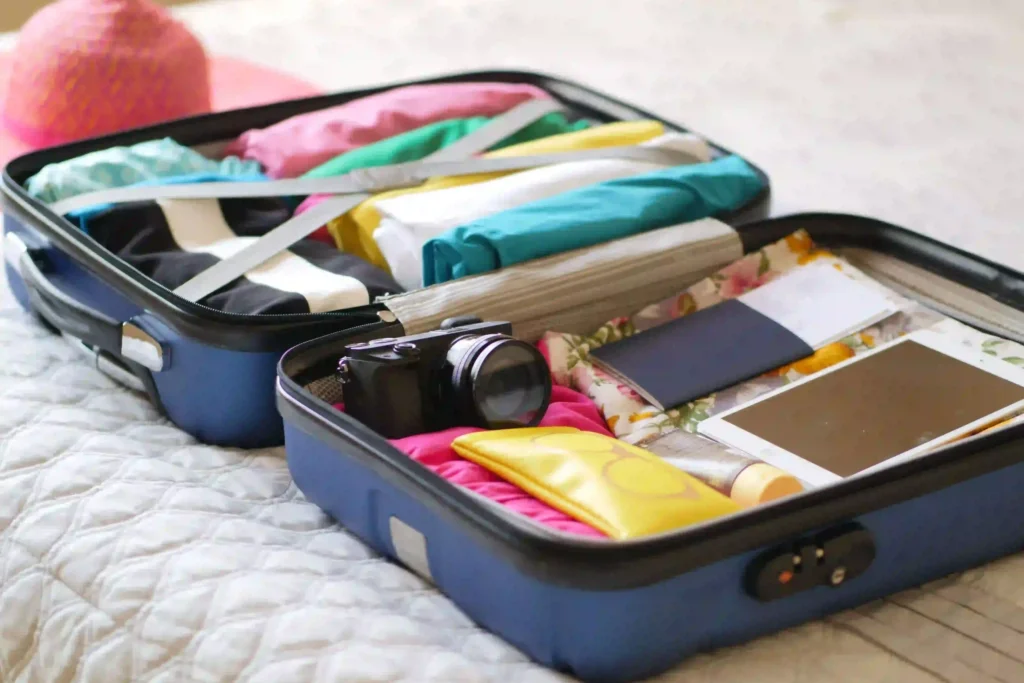
When I moved to a base-camp style, I cut my bag down to the essentials. Fewer cities meant fewer “just in case” items, and my shoulders thanked me. If you are building your own list, my digital nomad gear guide covers 21 must-have items in detail.
I used to pack for every possible scenario. These days I follow one simple test: if I have not touched an item in a month, it goes home or into the donation bag.
Connectivity comes first, always. Wi-Fi in rentals can be a lottery, so I keep a backup that works anywhere. For short trips an eSIM like Airalo is painless.
For longer stays, a portable hotspot such as the GlocalMe G4 Pro keeps me online when the café network collapses. I compared more options in my guide to the best portable Wi-Fi hotspots for travelers.
Power is the next problem nobody solves until their laptop hits two percent mid-call. A solid power bank like the Anker 737 can charge a laptop and a phone during a long train ride or a sudden outage. I rounded up more choices in my list of the best power banks for digital nomads.
Then there is the bag itself. Living in one place for months does not mean you stop moving, because weekend trips and border hops still happen. A carry-on-friendly pack like the Nomatic Travel Bag 40L holds a laptop, a week of clothes, and a little patience.
I do not chase every new gadget, by the way. I buy one good thing, use it until it hurts to keep using it, and only then upgrade. That habit has saved me more money than any cheap flight alert ever did.
Remote Income Is the New Passport (And How I Got Mine)
Here is the uncomfortable truth I learned in Porto. A good setup means nothing without steady income, and steady income now comes from real remote jobs more than random gigs. The old trick of grabbing any freelance project and hoping for the best does not hold up like it used to.
Mara learned this the hard way. After sending me that headline, she applied to sixty remote roles in a month and heard back from two. She was sending the same CV everywhere and wondering why nobody cared.
When we sat down together, we found her problem was not talent. It was targeting, positioning, and not knowing where remote-friendly employers actually hide. Honestly, I had made the same mistakes two years earlier.
That frustration is exactly why I created the Remote Job Hunt Kit on Vivanomadia. It is made for the stage when you stop dreaming about location freedom and start building the income that pays for it. If you are staring at job boards and feeling lost, it gives you a clearer path to follow.
Honestly, the hardest part of any job search is the silence. You send applications into the void and wait, and every quiet day makes you doubt yourself. Having a structure to follow keeps you moving through that gap.
Mara used it to rebuild her applications from scratch. Her reply rate improved, and a few months later she signed with a remote-first team. She now works with colleagues spread across four time zones.
A quick note on the job search itself. The best digital nomad jobs in 2026 look like regular jobs with better time zones, such as support, design, development, writing, operations, and project management. Employers want proof that you can work independently, so clear communication matters as much as skill.
One more lesson is that time zones matter. Always check where the team actually sits and how many hours of overlap they expect. A job that needs you online at 2 a.m. is not freedom; it is a night shift with a nicer view.
Keep a small portfolio or a simple page that shows your best work, too. Hiring managers are busy, and a clear example beats a long list of buzzwords. Mara added hers in one weekend, and it made every application feel stronger.
I am not saying a kit replaces effort. You still have to apply, practice, and keep going after rejections. But a clear system makes that effort count, and that is what the new era rewards.
Check this out: How to Pick a Remote Work Location (2026 Guide)
Final Thoughts: The Nomad Isn't Dead, the Fantasy Is
So, back to that café in Porto and that dramatic headline. Was the claim that digital nomad is dead actually true? Yes for the fantasy, and no for the freedom underneath it.
The wild, no-plan version taught a lot of us what we wanted. The new version gives us the tools to keep it. Longer stays, proper visas, solid remote income, and a lighter bag.
If you feel nervous about the shift, that is normal. I felt exactly the same way in that café. But looking back, that headline was the push I needed to build a life that actually lasts.
What I know now is that freedom was never about the number of countries on your map. It was about choosing how you spend your days. A slower, steadier version of this life still gives you that choice.
Start small. Pick one city, book three months, sort out your connection, and work on your income. If the income part feels like the bottleneck, the Remote Job Hunt Kit is a good place to begin.
I still think about the version of me who panicked in that café. He believed the dream was being taken away. In reality it was just asking him to grow up a little.
Daniel, by the way, is back on the road. He tells me this time he picked one country and stayed for five months. See you somewhere out there, probably with a slow coffee in hand.
FAQs
Yes, but it looks different. Fewer people hop countries every two weeks, and more choose longer stays, proper visas, and stable remote jobs. The digital nomad lifestyle is growing up rather than disappearing.
It is changing, not vanishing, and the “digital nomad is dead” claim is mostly clickbait. The influencer version of the dream is fading, but working remotely while living abroad is more accepted than ever. Think of it as an upgrade, not a funeral.
Three things mostly: base-camp slow travel, visa-backed remote professionals, and location independent specialists. Many countries now offer a digital nomad visa to support the second group. If you want to join them, start by securing a steady remote income.
Sign Up to Our Newsletter
Subscribe to our weekly newsletter, where we share information, useful tips, resources, and inspiring stories of the digital nomad lifestyle and remote work culture straight to your email.
Share this article:
Follow us on:
Related Posts

What is a digital nomad | How to become a digital nomad in 2026
Last Updated: February 24, 2026 After the Covid-19 pandemic, the term 'digital nomad' has become more popular than ever before. More people are learning about this lifestyle and gaining new…

How to Save Money on Hotels and Other Accommodation
Accommodation is a big factor while traveling. In fact, it is one of the major expenses of our entire budget. A big chunk of our budget is often planned for…
10 Books for Digital Nomads That Will Change Your Life
I still remember my first week of working from the road. The guesthouse Wi-Fi kept dropping, my laptop sat at 11% battery, and I had no idea what I was…